

In the PHP ecosystem, there are many tools for building an e-commerce site. Let's look at two of them: Sylius and Shopware. Although they share the same technology stack, their philosophies differ radically.
Choosing one or the other is not just a question of features: it is a strategic decision that will affect your business flexibility and your long-term maintenance costs. Let's break it down.
1. Two philosophies, two approaches to e-commerce
Sylius: the “Framework” for tailor-made projects
Sylius is not a “turnkey” solution in the traditional sense. It is a specialised framework. On installation, you get the essential building blocks, but the platform is designed to be shaped by a development team. It is the tool of choice for projects where the business must dictate how the tool works, and not the other way round.
Shopware: the ecosystem-oriented “Product”
Shopware offers a more packaged approach. Strongly oriented towards plugins and apps, it is increasingly moving towards a SaaS (Software as a Service) model. It is a robust solution that lets you launch features quickly thanks to its marketplace, while also offering a self-hosted version for more control.
2. Extending the system: SaaS vs Self-Hosted
The choice of extension architecture is the breaking point between the two tools:
The Shopware approach (SaaS vision): through its app model, Shopware offloads business logic to third-party services via webhooks and APIs. This is ideal for scalability, but it limits customisation to the extension points provided by the vendor.
The Sylius approach (Framework vision): here, pure “SaaS” is more complex to implement because Sylius focuses on flexibility. Customisation happens at the heart of the code, offering total freedom.
Did you know? If you host Shopware yourself, you can use plugins (similar to Symfony bundles). Be careful, though: piling up third-party plugins can make your future upgrades more complex, an issue Symfony developers knew well in the “everything is a bundle” era of Symfony 2.
3. Technical comparison: under the hood
Although both use Symfony, they handle data and the interface differently:
| Feature | Sylius | Shopware |
|---|---|---|
| Data management | Doctrine ORM (Symfony standard) | Proprietary abstraction layer (DAL) |
| DB changes | Model overriding (flexible) | Configuration & dedicated tables (rigid) |
| Frontend | Full customisation “from scratch” | Inheritance-based theme system |
| Search | To be added (Elasticsearch, Algolia…) | Native (Elasticsearch/OpenSearch required) |
The critical point: in Shopware, search is natively integrated, which speeds up time to market. In Sylius, this building block has to be built or integrated via a plugin, which requires more initial effort but lets you choose a perfectly tailored solution (such as Meilisearch or Algolia).
4. How to make the right choice?
The final choice depends on your team and your strategic vision:
Opt for SaaS (Shopware Cloud) if you want to delegate technical maintenance and adapt your business processes to existing tools.
Opt for self-hosting (Sylius or Shopware Self-hosted) if you have specific business needs, complex data flows or want to control your infrastructure from A to Z.
Why get expert support?
Whatever tool you choose, the success of your project depends on the quality of the implementation. A poorly designed e-commerce application quickly turns into costly technical debt.
Our technical expertise at your service:
Whether you lean towards the absolute flexibility of Sylius or the power of the Shopware ecosystem, we support you with:
- choosing the architecture suited to your sales volume;
- developing specific business features;
- ongoing maintenance and performance optimisation.
Do you have an e-commerce project and are still unsure about the technology? Contact our experts for a technical audit.
Nos derniers articles
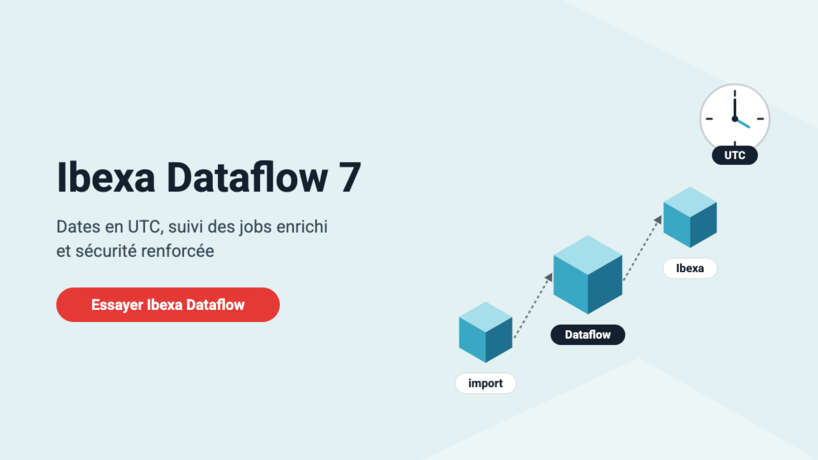
Dataflow and Ibexa Dataflow 7: UTC dates, richer job tracking, stronger security
Since our last article, Ibexa Dataflow has gone from version 6.1.2 to 7.0.0: a richer ...
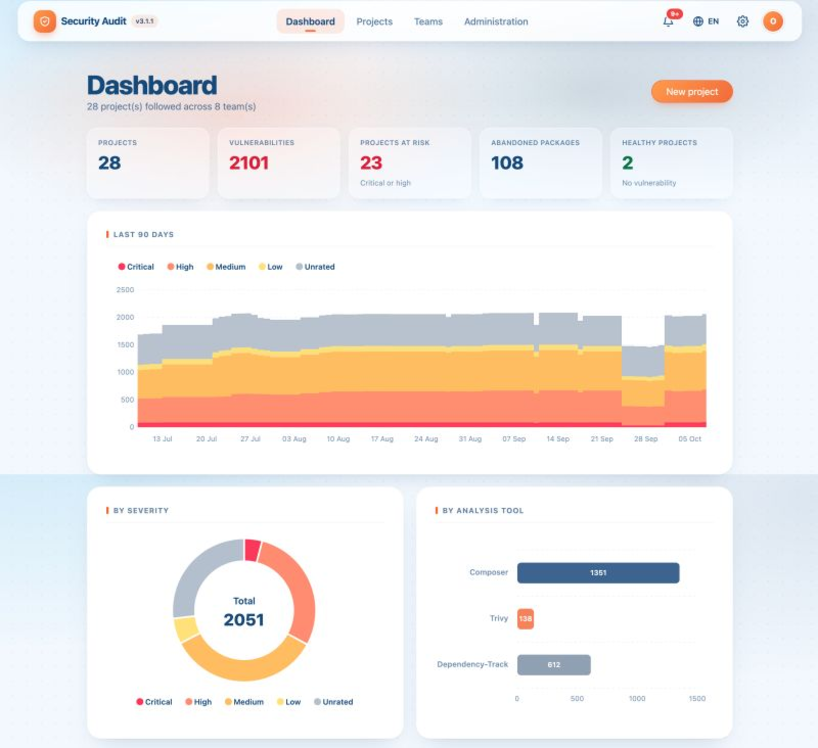
Security Audit gets a makeover: new design, new dashboard, still free
New dashboard, new design, new analyses and an ambitious roadmap: Security Audit moves to version ...

AI-generated code, Shadow Dev and technical debt: how to avoid destabilising your PHP/Symfony application
While AI assistants have revolutionised code production by significantly speeding up development, their widespread use ...
What's new in Dataflow: file-based log storage and automated history cleanup
Fed up with having your job logs in the database? Even more fed up with ...
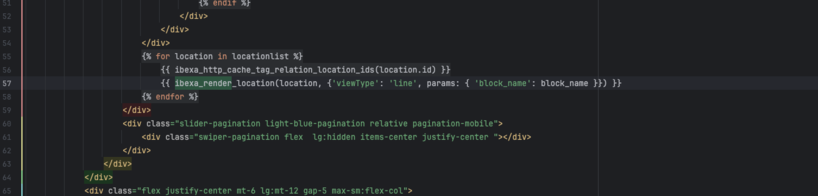
How to use parameters with ibexa_render and ibexa_render_location
If you have been developing on Ibexa for a few years, you have probably got ...
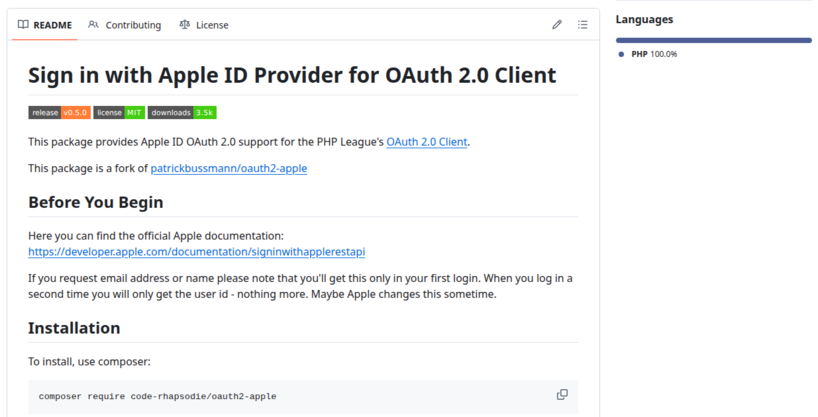
Taking over maintenance of the Apple provider for PHP League OAuth2 Client
Code Rhapsodie is taking over maintenance of Patrick Bussmann's oauth2-apple package. This fork ensures the ...
New keyword suggestion feature in the Gemini connector for Ibexa
Taxonomy keyword suggestion is available in Ibexa DXP with the LTS update pack and the ...

Split a large SQL file into smaller ones for easier import
Importing a very large SQL file can be problematic, sometimes causing your virtual machine (VM) ...
Sylius vs Shopware: which architecture should you choose for your future e-commerce site?
Sylius and Shopware are two tools (frameworks) for building an e-commerce site. How do you ...