

If you have been developing on Ibexa for a few years, you have probably got into the habit of using the Symfony controller ibexa_content::viewAction to pass custom parameters to a view.
Those days are over. With parameter support arriving in the native Twig functions, the tide is turning. Here is why you should change your habits today.
The showdown: old vs new
The old way (standard Symfony)
We used a Symfony sub-request to inject our data:
{# ❌ Now to be avoided for simple renders #}
{{ render(controller('ibexa_content::viewAction', {
    'contentId': content.id,
    'viewType': 'line',
    'params': { 'my_param': 'custom_data' }
})) }}
The new way (native Ibexa)
We use the dedicated helper, which handles everything internally:
{# ✅ The current recommendation #}
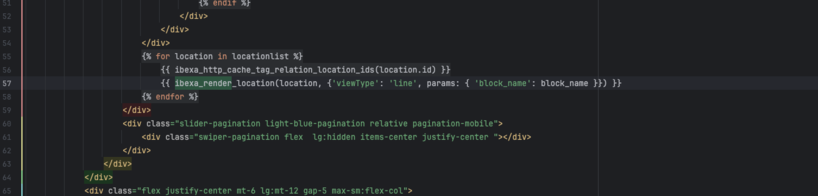
{{ ibexa_render(content, {
    'viewType': 'line',
    'params': { 'my_param': 'custom_data' }
}) }}
Why choose ibexa_render?
1. Performance: goodbye to unnecessary sub-requests
Symfony's render(controller(...)) function creates what is known as a sub-request. The Symfony kernel has to recreate a complete lifecycle (Request, Kernel Events, etc.). By contrast, ibexa_render with the default method (direct) calls the rendering engine directly. It is lighter, faster and uses less memory.
2. Readability and intent
By using ibexa_render, you clearly state that you are rendering a CMS object. The code is shorter and much easier to maintain for a developer new to the project.
3. Native flexibility
The params block of the Twig function does exactly the same thing as the controller's. You lose no functionality, but you gain clarity.
How do you update your templates?
The switch is painless. In your target template (your "View Template"), nothing changes. The variables you pass in the params array remain accessible under the same name.
Migration example:
- Identify your render(controller(...)) calls.
- Replace them with ibexa_render(content, { ... }) or ibexa_render_location(location, { ... }).
- Enjoy cleaner code.
Nos derniers articles
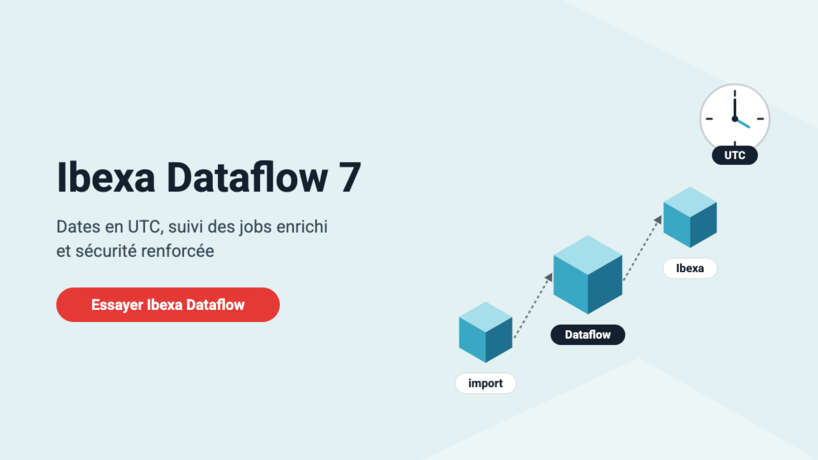
Dataflow and Ibexa Dataflow 7: UTC dates, richer job tracking, stronger security
Since our last article, Ibexa Dataflow has gone from version 6.1.2 to 7.0.0: a richer ...
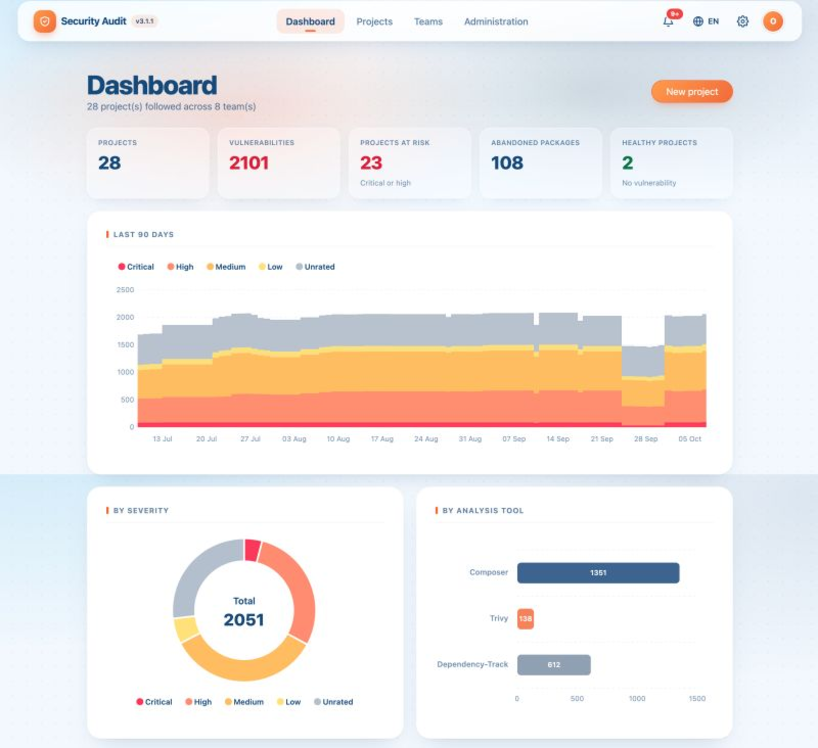
Security Audit gets a makeover: new design, new dashboard, still free
New dashboard, new design, new analyses and an ambitious roadmap: Security Audit moves to version ...

AI-generated code, Shadow Dev and technical debt: how to avoid destabilising your PHP/Symfony application
While AI assistants have revolutionised code production by significantly speeding up development, their widespread use ...

What's new in Dataflow: file-based log storage and automated history cleanup
Fed up with having your job logs in the database? Even more fed up with ...
How to use parameters with ibexa_render and ibexa_render_location
If you have been developing on Ibexa for a few years, you have probably got ...
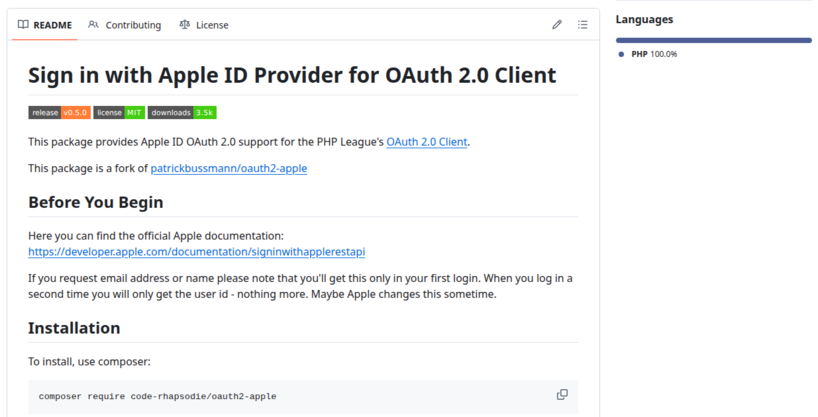
Taking over maintenance of the Apple provider for PHP League OAuth2 Client
Code Rhapsodie is taking over maintenance of Patrick Bussmann's oauth2-apple package. This fork ensures the ...

New keyword suggestion feature in the Gemini connector for Ibexa
Taxonomy keyword suggestion is available in Ibexa DXP with the LTS update pack and the ...

Split a large SQL file into smaller ones for easier import
Importing a very large SQL file can be problematic, sometimes causing your virtual machine (VM) ...

Sylius vs Shopware: which architecture should you choose for your future e-commerce site?
Sylius and Shopware are two tools (frameworks) for building an e-commerce site. How do you ...